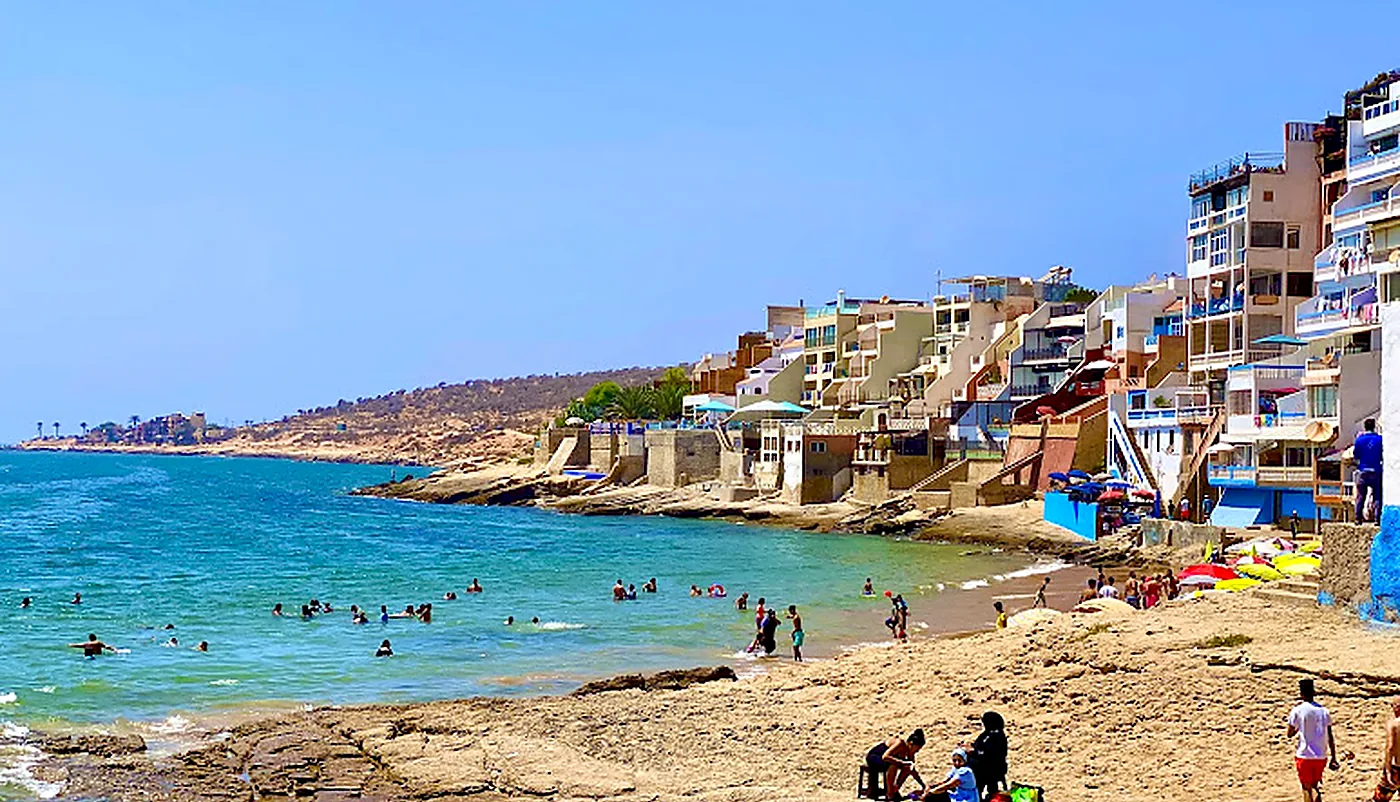
A surf camp is not automatically the right choice. It depends almost entirely on whether you want your week arranged or your week open.
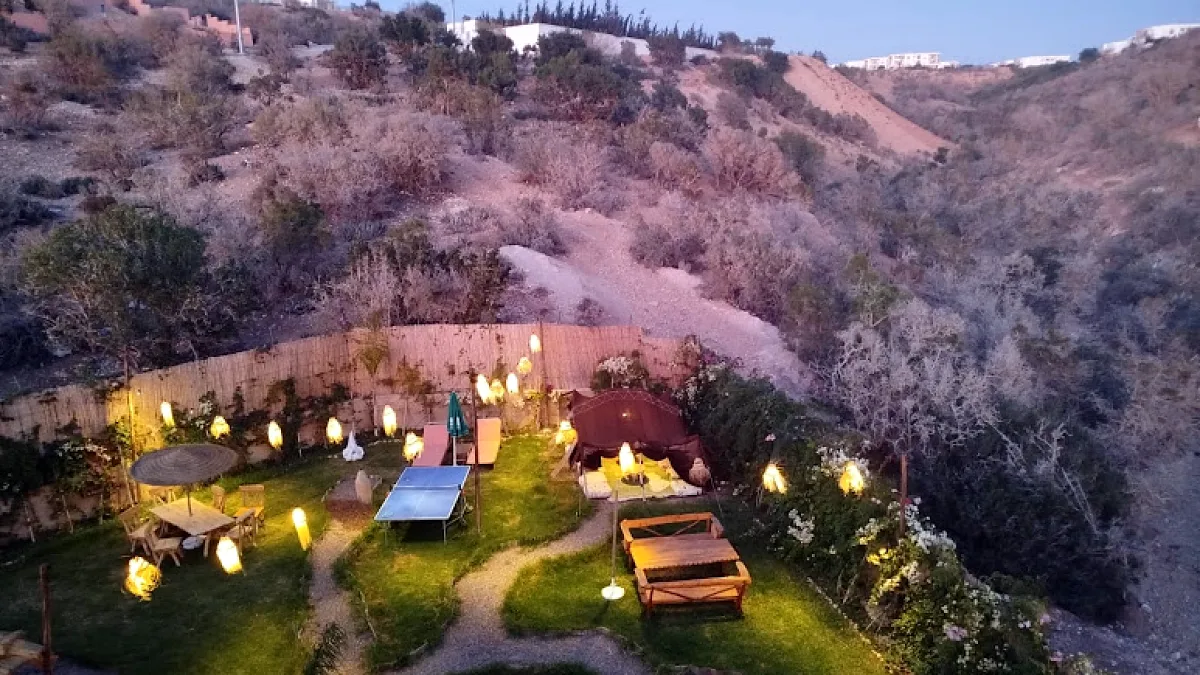
What a camp actually buys you
Not just a bed. You are buying the removal of decisions: where to surf today, how to get there, which board, what to eat, who to eat it with. On a one-week trip that structure is worth a lot, because the alternative is spending your first two days working out logistics.
You are also buying a group. For solo travellers this is the real product. A camp hands you eight to fourteen people at the first dinner, and by day two you have a week's worth of company.
What a hotel buys you
Privacy, a better bathroom, and the freedom to do nothing. If you are travelling as a couple, or you want to surf twice and read for the rest of the week, a guesthouse plus individual lessons may fit better and cost about the same.
The trade-off is that you organise everything: transport to spots, board hire, and finding out where the waves actually are on a given morning.
Cost, honestly compared
A camp at €400 a week includes room, three meals, coaching, board, wetsuit and transfers. A guesthouse at €30 a night is €210, plus roughly €120 for a few lessons, plus board hire, plus food at €15 a day. The totals land close together.
The difference is not price. It is whether you want the week designed or left open.
Who should pick which
Choose a camp if you are travelling alone, learning from scratch, on a tight week, or want the desert leg bolted on without organising it. Choose a hotel if you already surf, are travelling as a pair, want a private bathroom every night, or dislike group timetables.
The four options, honestly ranked by situation
A surf camp gives you structure, a group and equipment for one price. A guesthouse or riad gives you privacy and freedom at a similar total once you add lessons. A hostel is the cheapest bed and the loosest structure — good if you already surf and want to meet people without a timetable. An apartment or Airbnb suits stays of two weeks or more, when cooking for yourself starts to matter and daily restaurant meals begin to grate.
The mistake people make is choosing by price when the options cost roughly the same. Choose by what you want your mornings to look like. A camp decides your morning; everything else leaves it to you.
What a camp is genuinely bad at
Flexibility. If you want to sleep until eleven, skip surfing on Wednesday and drive to Essaouira on impulse, a timetable is friction rather than help. Camps run on group logistics, and group logistics dislike improvisation.
Privacy. Even with a private room you eat with fourteen people, travel with fourteen people and share a bathroom queue with some of them. Most guests find this the best part; a meaningful minority find it exhausting by day four.
Dietary precision. Camps cook one menu for everybody with substitutions. If you have coeliac disease or a serious allergy, self-catering gives you control that a shared kitchen cannot.
Working. Digital nomads generally do better in an apartment with a desk and reliable power than in a camp built around communal space and a surf timetable.
The hybrid most experienced travellers end up with
Book a camp for the first week and an apartment for the second. The camp teaches you the coast, the spots, the tide patterns and the etiquette, and hands you a group of people. By week two you know where to surf, who to surf with and how to get there, and independence becomes an advantage rather than a burden.
This is also the cheapest way to do a long trip. Camp rates are per night and rarely discount steeply beyond ten nights; apartments in Taghazout and Tamraght drop sharply on monthly terms.
Questions that decide it in two minutes
Have you surfed before? If no, take a camp — the coaching, the board progression and the spot selection are worth more in week one than anything else you could buy.
Are you travelling alone? If yes, take a camp for at least part of the trip. The structural fix for solo dinners is worth the price on its own.
Do you have a partner who does not surf? Consider a guesthouse plus individual lessons, so their day is not shaped by your timetable.
Is this your third trip to this coast? Take an apartment. You already know the answers a camp exists to provide.
Costs compared honestly, line by line
Camp, seven nights, shared room: roughly €400 to €550 including all meals, coaching, equipment and spot transfers.
Guesthouse route: €30 a night for a decent room is €210. Six individual lessons at €30 is €180. Board hire on non-lesson days, €50. Food at €18 a day, €126. Transport to spots you cannot walk to, €60. Total around €625 — and you have organised all of it yourself.
Hostel route: €12 a night is €84, plus the same lessons and food, landing near €470 with the least comfort and the most flexibility.
Apartment for two weeks: €400 to €700 for the month-adjacent rate, self-catering at maybe €10 a day, and lessons only when you want them. Far and away the cheapest per day if you are staying long.
The honest conclusion is that a camp is not expensive. It is competitive, and what you actually pay for is somebody else making thirty small decisions a day.
What changes if you are two people
The arithmetic shifts. A private double in a guesthouse costs the same as one bed in a camp dorm times two, and you get privacy. Individual lessons for two are often discounted to close to camp rates.
The camp still wins on spot selection and equipment, and it loses on flexibility and on evenings. Couples who want to eat alone sometimes find nightly group dinners more than they wanted.
A reasonable compromise for two: camp with a private room. You keep the coaching and the transport, you get a door that closes, and the supplement is usually €100 to €250 for the week.
The digital nomad case
Tamraght and Taghazout have a substantial remote-working population, and the infrastructure has followed — cafés with reliable power, coworking spaces and apartments with proper desks.
Camps are generally poor for working. The Wi-Fi is fine, but the rhythm is not: everybody leaves at ten, comes back at four, and the communal space is communal. Trying to hold a call from a terrace where fourteen people are eating lunch is not a plan.
If you are working and surfing, take an apartment and buy lessons or guiding by the session. That combination is why so many people end up staying months instead of weeks.
A decision in four questions
Is this your first surf trip? Camp. The coaching, the equipment progression and somebody choosing the right beach each morning are worth more in week one than any amount of privacy.
Are you travelling alone? Camp, at least for part of it. The structural solution to solo dinners is the single most valuable thing on offer.
Are you staying longer than ten nights? Apartment for the back half. Camp rates do not fall much with length; apartments fall a lot, and by week two you know where to surf.
Do you need to work, cook for a restricted diet, or protect a partner's holiday from your timetable? Guesthouse or apartment, with lessons bought by the session.
Most people over-index on price when comparing these options and the totals land within a hundred euros of each other. The real variable is whether you want your mornings decided for you. A camp decides them; everything else hands them back.
There is no wrong answer here, and there is a wrong answer for you specifically. Booking the format that suits how you actually like to travel matters more than any individual property you might choose within it.